Capital under siege as 11-metre swells force state of emergency
Hundreds were evacuated from southern and eastern suburbs as waves reached 11 metres and gusts neared 100km/h. Mayor Andrew Little has now lifted the local state of emergency.
··
Hundreds were evacuated from southern and eastern suburbs as waves reached 11 metres and gusts neared 100km/h. Mayor Andrew Little has now lifted the local state of emergency.
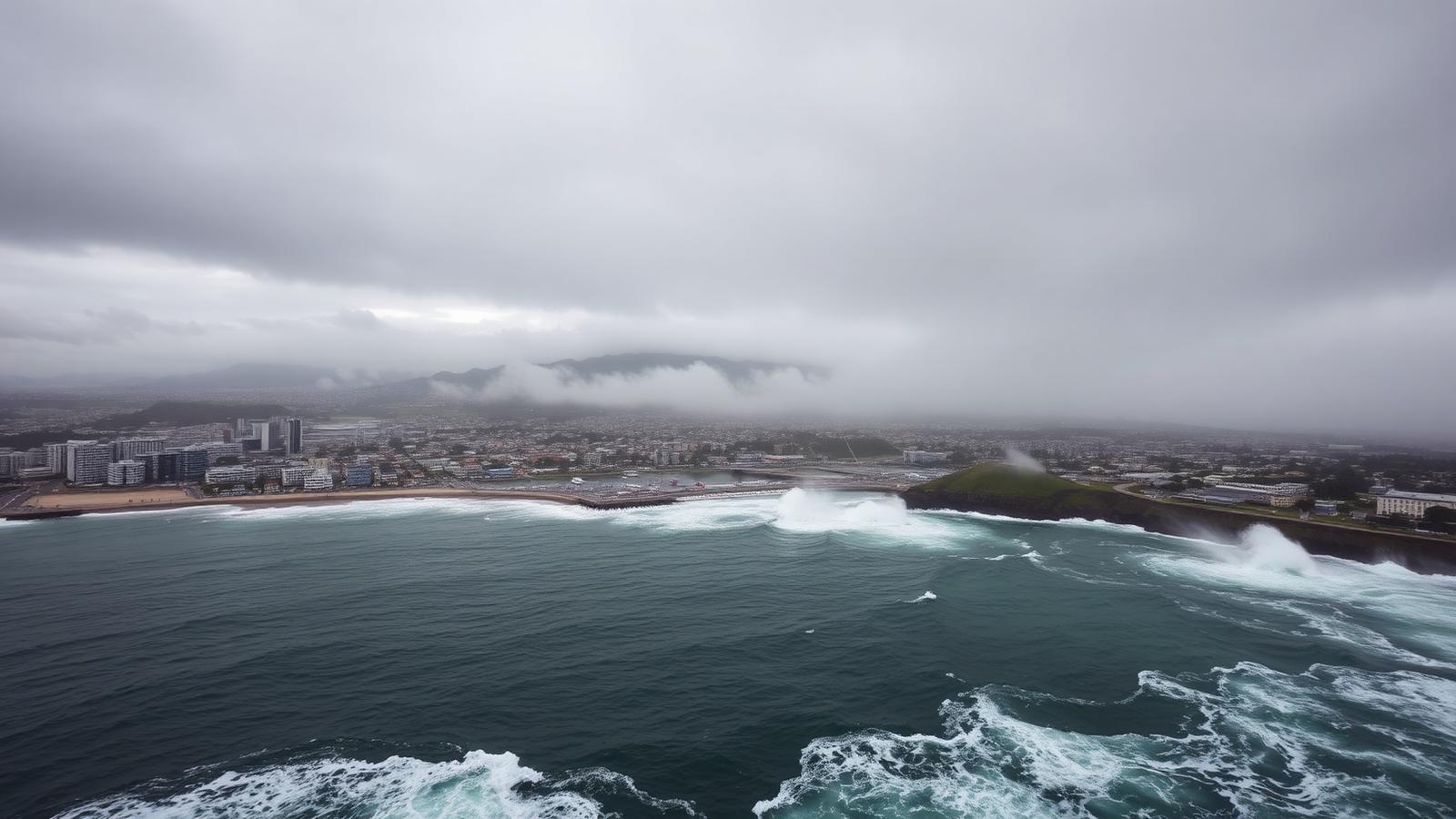
Wellington has emerged from one of its most significant weather emergencies in recent years, with Mayor Andrew Little lifting the local state of emergency that had been declared across the capital's southern and eastern wards.
The emergency was triggered by an ocean swell of historic proportions that battered the south coast on Tuesday, with waves of up to 11 metres pounding suburbs from Owhiro Bay to Lyall Bay. Wind gusts approaching 100km/h whipped sea spray hundreds of metres inland.
More than 400 residents were asked to leave their homes overnight as emergency crews staged near the Esplanade. Several seafront properties suffered window and roof damage; the road between Houghton Bay and Island Bay was closed for almost twelve hours.
"It was just relentless," said Island Bay resident Marisa Holloway, who returned home on Wednesday morning. "By 3am you could feel the house move with every set."
Wellington City Council says it is working with Greater Wellington Regional Council and NEMA on a coastal damage assessment, with early figures suggesting clean-up and repair costs could exceed $4 million.
Climate scientists at NIWA point to the event as another data point in a trend of intensifying coastal extremes. A study released this week found that one-in-100-year coastal floods are now occurring in Wellington roughly twice a year — a four-fold increase attributed to human-driven sea-level rise.